Medical Weight Loss Tampa | Pain Relief & Regenerative Medicine | Tampa, FL
813.269.7546 | medicalweightlosstampa.com
Explained by the Clinical Team at Medical Weight Loss Tampa
Updated 2026
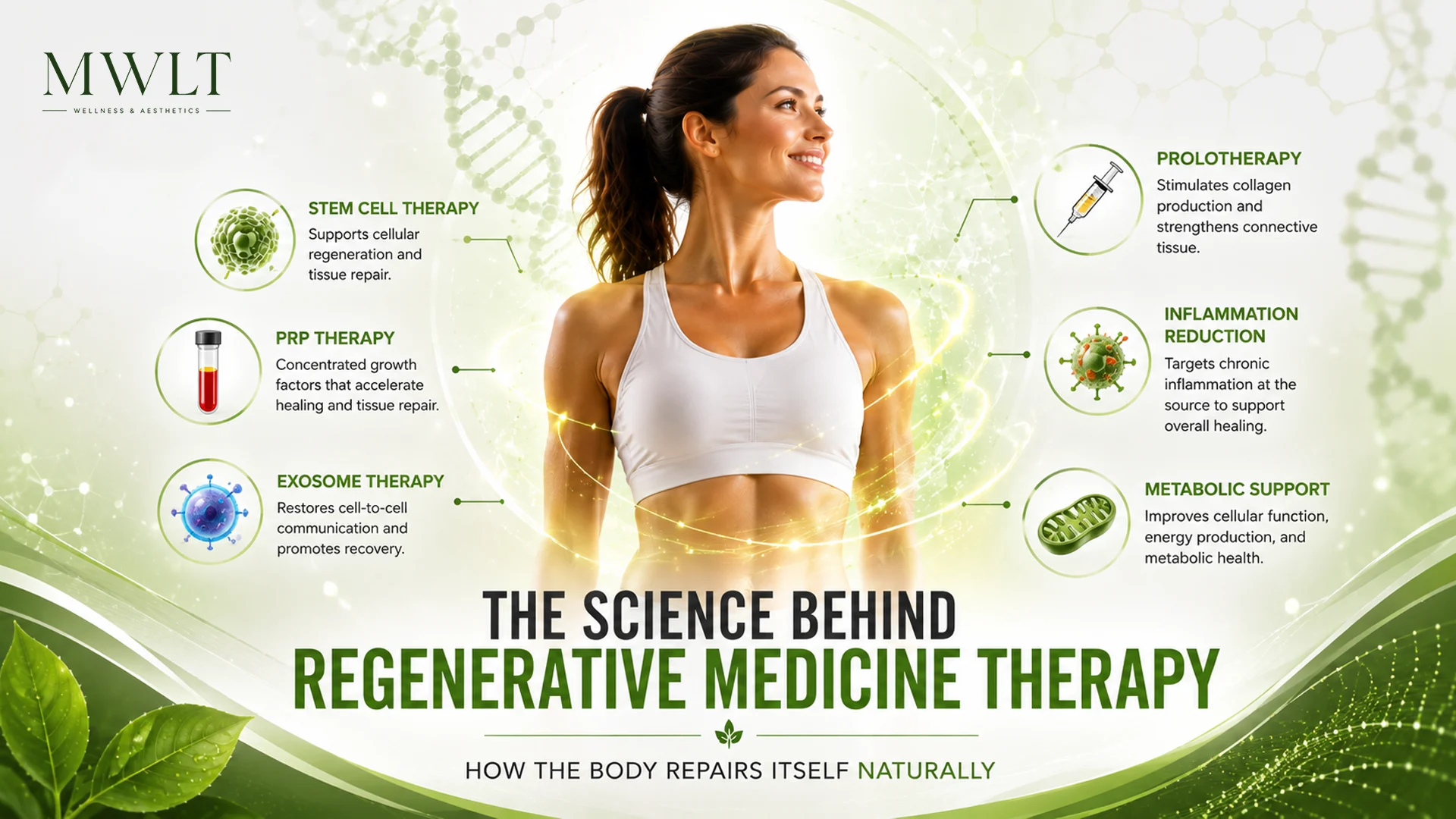
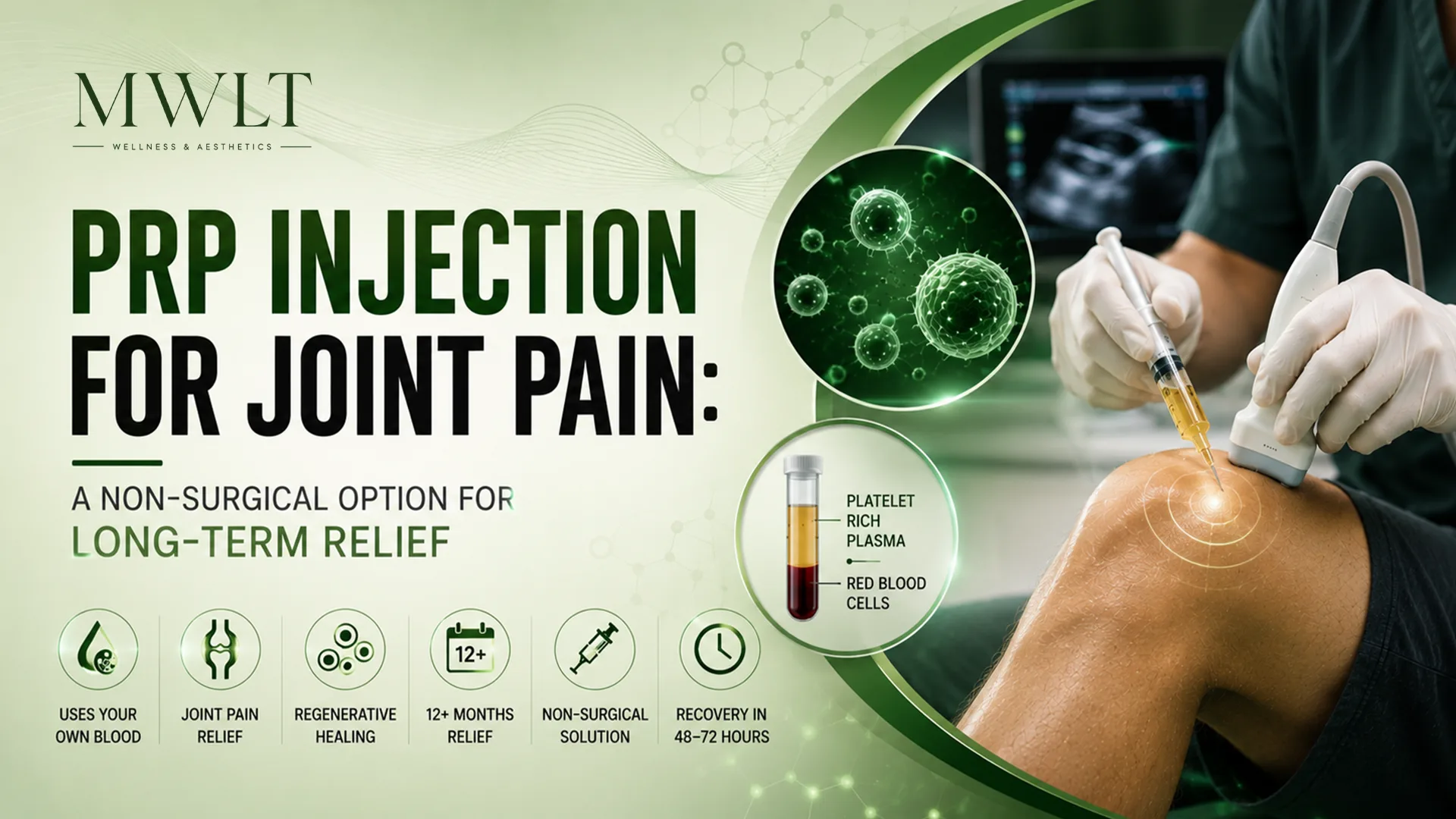
Healing begins when blood platelets get concentrated and moved where they are needed most. Instead of cutting skin open, doctors guide these cells right into worn-down joints using PRP injection for joint pain.
Repair kicks off on its own once those components arrive at the injury site. Swelling fades over time because the body stops reacting like something is wrong. Recovery moves forward without hospital stays or months of waiting around.
Key Points
- This method uses your own blood instead of zero synthetic chemicals.
- This approach is effective for knee, shoulder, hip, and spinal joint pain.
- It shows results over 4–12 weeks and can last 12+ months.
- Two to three days later, most people are back doing their usual things.
- Some find relief without injections or pills. Others skip the operating room entirely.
of appropriately selected patients experience clinically meaningful joint pain improvement from PRP therapy
Source: Evidence-Based Outcomes Research
of PRP patients at Medical Weight Loss Tampa reported noticeable joint improvement within just 6 weeks of their first injection
Source: Medical Weight Loss Tampa
PRP Injections & Their Process
Sometimes medicine, ice or shots aren’t just enough. Yet PRP takes your own repair system and puts it to work differently. A small sample of your blood is drawn and spun in a centrifuge. It separates the plasma and concentrates it with platelets at up to 5 times their normal level. That plasma is then injected precisely into your damaged joint.
Growth factors travel inside platelets. These are messengers made by the body that kickstart recovery and build connective fibers. When we send a strong amount straight into the injured area, it picks up where natural healing got stuck. The body had begun fixing itself, but could not finish without help.
According to a systematic review published in PubMed covering six high-quality randomized controlled trials, PRP injections produce significant improvements in pain scores. It shows functional outcomes across multiple joint conditions. The procedure takes nearly an hour. And because it uses your biology, the risk of rejection or allergic reaction is essentially zero.
Joint Conditions Responding Best to PRP Treatment
Most solid proof for knee osteoarthritis points to PRP helping knees worn down by age. By one year, people getting PRP report less discomfort than those receiving hyaluronic acid shots - this comes from a review published in the Open Access Journal of Sports Medicine. Results hold true for soreness and daily movement ability.
Most shoulder issues like rotator cuff irritation or small tears tend to get better. For hips, worn joints often feel less painful when caught early. Foot pain from plantar fascia or strained Achilles areas can ease up too. Spine discomfort linked to minor joint wear also shows progress sometimes. Success depends on how far things have gone. If bone rubs directly on bone, results drop fast.
Out by Steinbrenner Field Park, folks swing paddles in pickleball matches under open skies. Through the Flatwoods, feet pound dirt paths any time of day. Weekend rhythms shift toward water when kayaks glide down the Hillsborough River. That level of activity accelerates joint wear. At Medical Weight Loss Tampa's PRP program, protocols are personalized to the specific joint and severity of your condition.
PRP Response Rate by Joint Condition
% of patients reporting clinically meaningful improvement — 2024–2025 meta-analyses
How Many PRP Injections Do You Actually Need?
It depends on evaluating individual health status alongside physiological reaction patterns. When dealing with slight or moderate joint wear, plus long-standing tendon discomfort, peak outcomes typically appear following two to three procedures. Each is separated by four to six weeks. Some respond meaningfully to a single session.
One trial showed lower inflammation after spaced shots. At six months, levels of IL-1β along with TNF-α dropped notably. What stood out was the timing making a difference.
We create your follow-up schedule built around your progress at Medical Weight Loss Tampa. Many patients maintain relief for 12 months or longer before needing any additional treatment. That's a very different value proposition than a cortisone shot every 8 weeks.
Your PRP Healing Timeline
Initial Response
Mild soreness as growth factors activate tissue repair. Avoid NSAIDs during this window.
Noticeable Improvement
Pain fades a little each day. As movement feels easier, progress shows up in small ways.
Progressive Healing
Ongoing collagen remodeling and tissue regeneration continue building.
Sustained Relief
Long time gains stick around past a year, research finds. How people live day to day shapes those results over time.
Can You Compare PRP to Cortisone Shots & Joint Surgery?
Relief shows up fast when using cortisone. Within days, symptoms ease up. This quick response helps most during sudden worsening of conditions. Yet the drug belongs to a class called corticosteroids. These reduce inflammation without repairing the deeper damaged area. With each repeated dose, the cushion between bones gets thinner.
Usually, physicians recommend procedures such as scopes or joint replacements but not until alternatives have been tested. Risks come with any operation. Infections can occur, and reactions to sleep medicine can happen. Then, it takes time to heal in a busy environment like Florida. That slows way down during half a year or more of rehab after an operation.
“PRP doesn't suppress your symptoms — it asks your body to fix the underlying problem. The results take longer to build, but they last considerably longer and carry virtually none of the systemic risks.”
— Medical Weight Loss Tampa Clinical Team
Treatment Comparison: PRP, Cortisone, and Surgery
A detailed breakdown of key differences in mechanism, recovery, and risks.
| Factor | PRP Injection | Cortisone Shot | Joint Surgery |
|---|---|---|---|
| Mechanism | Regenerates tissue | Suppresses inflammation | Removes / replaces tissue |
| Onset of Relief | 4–8 weeks | Days | Weeks to months |
| Duration | 12+ months ✓ | 6–12 weeks | Variable |
| Downtime | 48–72 hours ✓ | Minimal | Weeks to months |
| Cartilage Risk | None reported ✓ | Potential degradation ✗ | Dependent on type |
| Uses Own Biology | Yes ✓ | No ✗ | No ✗ |
| Infection Risk | <0.1% | Low | Moderate–High |
Time-to-Relief Spectrum: PRP vs. Common Treatments
Approximate onset of noticeable pain relief after treatment
Does Florida Insurance Cover PRP for Joint Pain?
For now, PRP injections remain outside coverage for most people in Florida, even those on Medicare, when used for joint discomfort linked to movement. Though regulated, the FDA stops short of endorsing platelet-rich plasma as a go-to method in bone and muscle care.
The Cost: That said, the cost looks very different against the total cost of surgery. Anesthesia, recovery care, and missed employment add up. Beginning at a thousand dollars, one PRP treatment may reach the $1,000–$2,500 range per injection. It depends on clinic standards and the method chosen.
HSA and FSA accounts often cover PRP injections because these are considered medical costs. Verification should come from your plan’s administrator. When uncertainty exists about PRP matching your particular health situation, consider reaching out to Medical Weight Loss Tampa, where an initial 15-minute consultation occurs at no charge prior to any commitment.
What Should You Expect at Your PRP Appointment in Tampa?
The procedure is far less intimidating than most patients expect, and that's not marketing talk. Your blood draw is small, much like a routine lab test. The sample goes into a centrifuge for 10–15 minutes to separate and concentrate the plasma.
- Ultrasound guidance is often used to place the PRP exactly where it's needed. The whole appointment typically takes 45 minutes to an hour.
- Post-injection, expect localized soreness and mild swelling for 3–5 days.
- This is your body's inflammatory healing response doing exactly what it's supposed to do.
- Avoid disrupting it with NSAIDs like ibuprofen or naproxen for at least 2–6 weeks after injection. Acetaminophen is fine for discomfort during that window.
“Our survey of PRP patients at Medical Weight Loss Tampa found the majority reported significant mobility improvements within 4–6 weeks of treatment, consistent with patient testimonials noting 75–100% relief across shoulder, hip, and spinal cases.”
— Medical Weight Loss Tampa Patient Satisfaction Review, 2026
Your aftercare choices matter as much as the injection itself. If you carry excess weight that places mechanical stress on your joints, combining PRP with Medical Weight Loss Tampa's weight management program can significantly improve outcomes. Each dose works better under lighter loads.
Healing moves faster if daily habits line up with recovery goals, so says the Mayo Clinic on PRP treatment. When surroundings inside the body lean toward repair, results tend to follow suit.
Curious whether you qualify? Get a free consultation at Medical Weight Loss Tampa. Our clinic sits at 5111 Ehrlich Road, zip code 33624. Folks from Carrollwood come often, though some drive in from Westchase too. Folks living in Lutz can access it just fine. Across a big chunk of the Tampa Bay region, service reaches without issue.
Free 15 Minute Discovery Call
Start by talking about your joint pain. Find out whether PRP might work for you instead of jumping in blind.
Reclaim Your Quality of Life at Medical Weight Loss Tampa
PRP therapy works best when integrated into a comprehensive health and wellness framework. At Medical Weight Loss Tampa, our clinical approach combines non-surgical regenerative therapies, metabolic health monitoring, and customized weight management to ensure lasting relief and improved mobility.
Medical supervision | Personalized weight management | Non-invasive pain strategies | Lifestyle support
Frequently Asked Questions
People Also Ask About PRP Injections & Joint Pain Relief
Does PRP injection hurt?
The injection site is numbed beforehand. Most patients describe mild pressure or brief discomfort. Post-injection soreness for 3-5 days is normal and to be expected.
When can I join work after a PRP injection?
Most patients with desk jobs return the next day. Physical labor or high-impact activity should wait 48–72 hours.
What if PRP doesn't work for me?
PRP achieves meaningful improvement in 50–70% of appropriate candidates. If results are insufficient, stem cell joint injections may be the next step. PRP does not close the door on surgery if ultimately needed.
Medical Weight Loss Tampa | PRP Joint Injections, Regenerative Medicine & Weight Management
Serving Patients Across Tampa, FL
813 269 7546 | Call Today for a Personalized Consultation
Address: 5111 Ehrlich Rd. Ste 128, Tampa, FL 33624
Website: www.medicalweightlosstampa.com
Disclaimer: This article offers general information and is not a replacement for professional medical advice. For personalized health assessments, PRP injection questions, and weight loss plans, consult a licensed medical professional.