Medical Weight Loss Tampa | Regenerative Medicine | Tampa, FL
813.269.7546 | medicalweightlosstampa.com
Explained by the Clinical Team at Medical Weight Loss Tampa
Updated 2026
Regenerative medicine therapy works by waking up the body's own repair systems instead of layering medications over a problem. The science is not magic. It comes from stem cell biology, molecular biology, tissue engineering, inflammation research, and the way cells naturally communicate during healing.
At Medical Weight Loss Tampa, regenerative medicine is discussed as a biological support strategy. It may help the body repair tissue, reduce inflammatory stress, support cellular recovery, and create a healthier environment for weight loss and wellness plans to work.
Key Takeaways
- Regenerative medicine therapy helps the body repair from the inside instead of only masking symptoms.
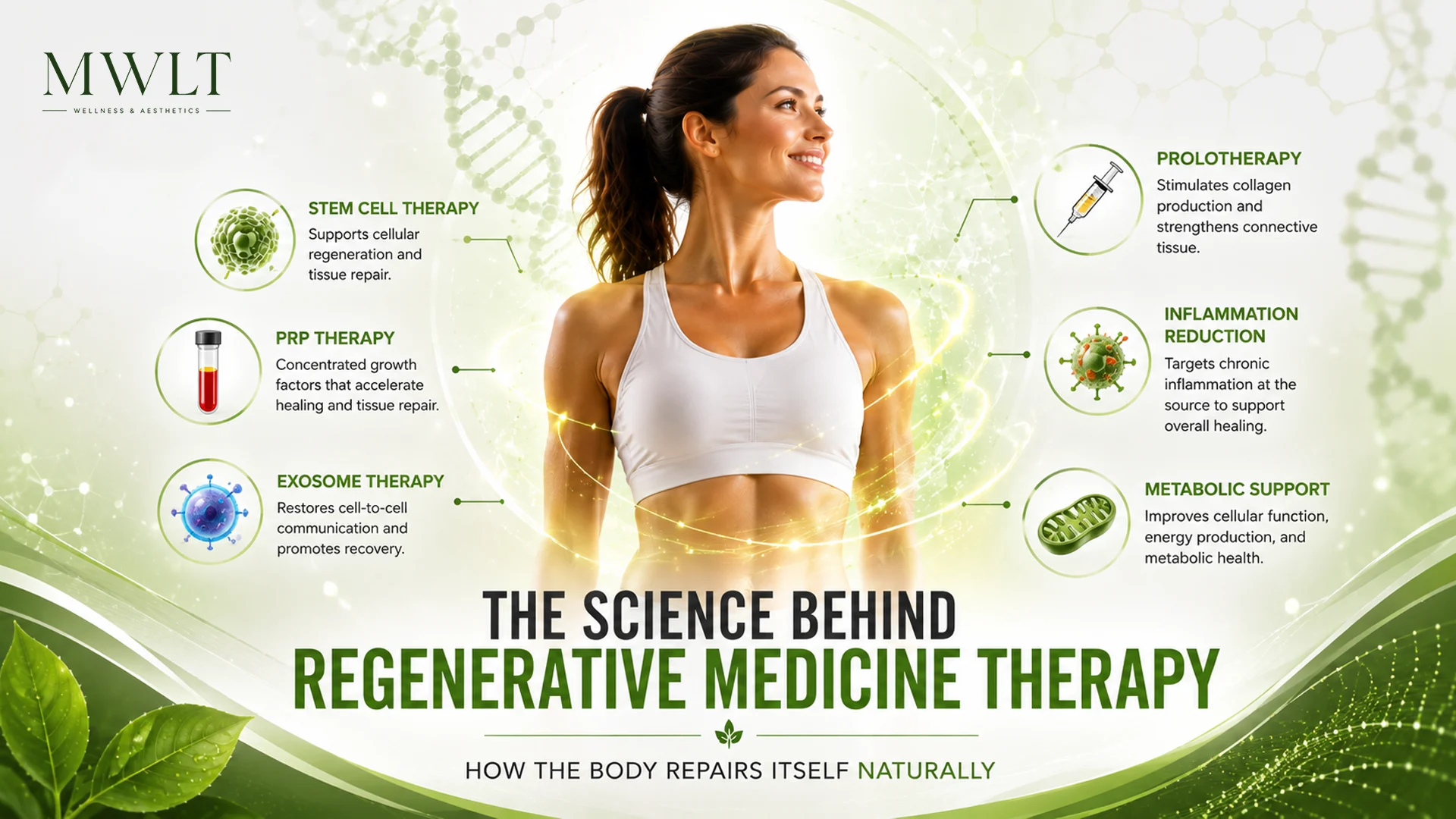
- The main regenerative therapy types include stem cell therapy, PRP therapy, exosome therapy, and prolotherapy.
- Natural healing moves through four overlapping stages: hemostasis, inflammation, proliferation, and remodeling.
- Chronic inflammation can interfere with metabolism, insulin response, tissue repair, and long-term recovery.
- Many protocols use the patient's own biology, which can lower rejection risk when performed by a licensed provider.
- Healing takes time. Most patients should think in weeks and months, not overnight results.
What Is Regenerative Medicine Therapy?
Regenerative medicine therapy gives damaged tissue the cellular signals, growth factors, and repair materials it needs to heal more correctly. Injury, age, chronic illness, and persistent inflammation can deplete those signals or interrupt the repair process.
Traditional medicine often focuses on symptom management. Regenerative approaches try to close the gap between the damage that exists and the body's ability to repair it. NIH describes regenerative medicine as a field that uses stem cells, tissue engineering, and related technologies to repair or replace damaged cells, tissues, and organs. Source: National Institutes of Health.
How Does the Body Heal on Its Own?
The body runs a four-stage healing process every time tissue is damaged. These stages overlap, but each one has a distinct job. When one stage stalls, recovery can become slow, incomplete, or painful. Source: NCBI Bookshelf.
Hemostasis
The body slows the damage.
When injury occurs, platelets rush to the area, cluster at the injury site, and form a clot. Bleeding slows so the body can pause the damage and prepare a more organized repair response.
Inflammation
The area gets cleaned and prepared.
White blood cells move in to clear bacteria, dead cells, and cellular debris. Short-term inflammation is useful because it prepares the tissue for repair. Chronic inflammation is different; it keeps damage signals turned on and can disrupt metabolism over time.
Proliferation
New tissue begins forming.
Fibroblasts build collagen, blood vessels grow into the area, and skin cells spread across the surface. This is where regenerative medicine therapy can support the body's existing repair signals.
Remodeling
Early repair tissue becomes stronger.
The first tissue formed is not the finished product. Remodeling aligns collagen fibers and strengthens the repaired area. This stage can take months, and it often slows with age, chronic illness, or poor metabolic health.
Regenerative medicine is a rapidly expanding clinical field, with market analysis reports projecting major global growth through the next decade.
Source: Market analysis report
What Are the Main Types of Regenerative Therapies?
The four regenerative therapies patients ask about most often are stem cell therapy, platelet-rich plasma therapy, exosome therapy, and prolotherapy. Each works differently, so the right option depends on the patient's tissue health, inflammation pattern, medical history, and goals.
Regenerative Therapy Comparison
A side-by-side look at source, mechanism, and common use cases.
| Therapy | Biological Source | Primary Mechanism | Common Use Cases |
|---|---|---|---|
| Stem Cell Therapy | Patient or donor cells | Supports cell regeneration and inflammatory balance | Joints, connective tissue, autoimmune research, metabolic health support |
| PRP Therapy | Patient's own blood | Delivers concentrated growth factors | Tendons, joints, wound healing, sports medicine recovery |
| Exosome Therapy | Cell-secreted vesicles | Restores cell-to-cell signaling | Tissue repair research, inflammation support, cellular communication |
| Prolotherapy | Dextrose solution | Triggers controlled collagen-building repair | Chronic joint pain, ligament pain, instability, soft tissue support |
Platelet-Rich Plasma Therapy
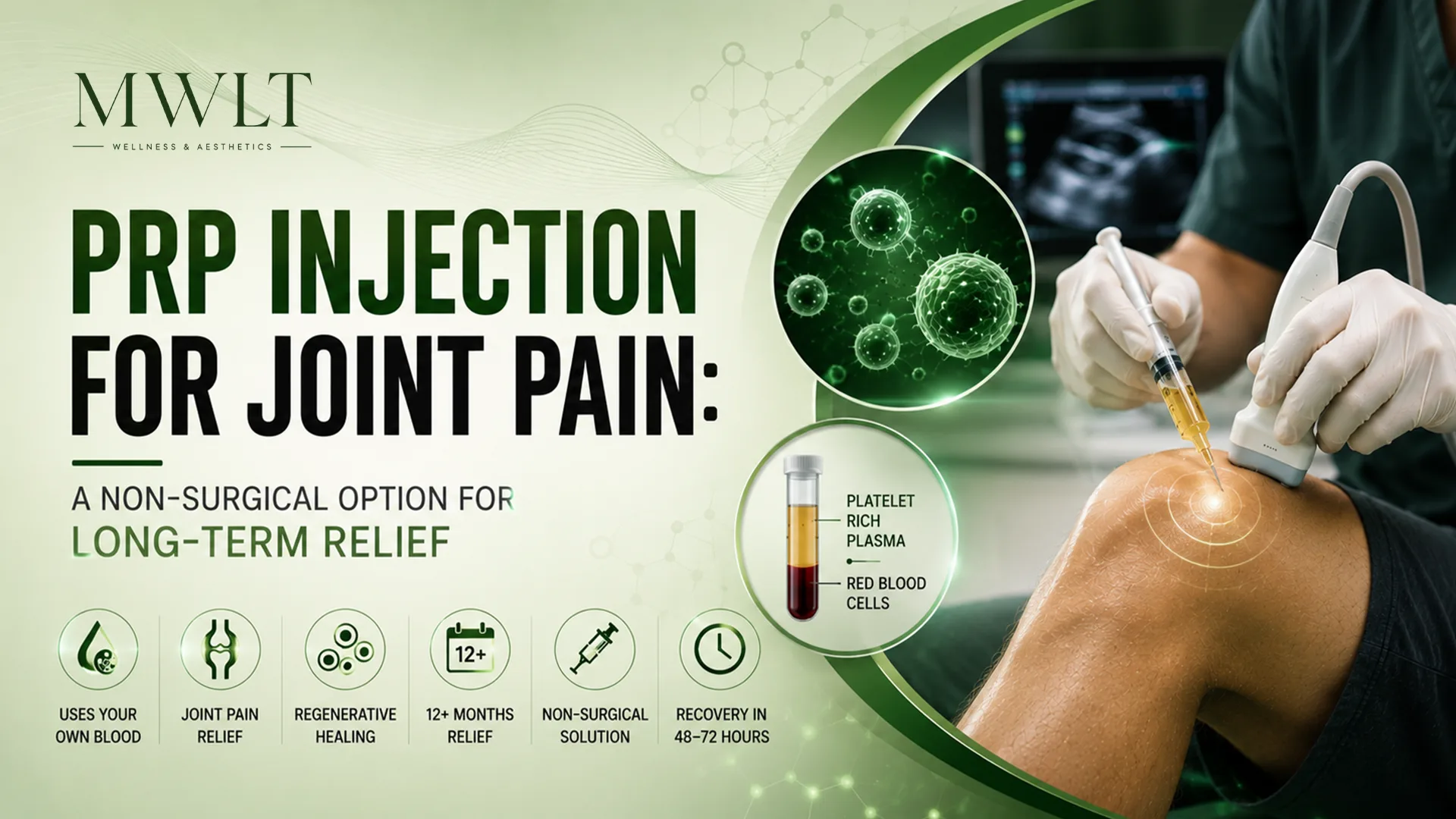
PRP therapy starts with the patient's blood. A centrifuge separates and concentrates platelets, then the platelet-rich solution is placed back into the target area. Platelets carry growth factors that help signal tissue repair, collagen production, blood vessel formation, and cellular rebuilding. Source: PRP wound-healing review.
Prolotherapy and Controlled Inflammation
Prolotherapy uses a small dextrose injection to create a controlled local repair response. The goal is short-term, targeted inflammation that stimulates collagen production, not chronic low-grade inflammation that keeps tissue irritated.
What Does Regenerative Medicine Have to Do With Weight Loss?
More than most people expect. Patients dealing with metabolic syndrome, type 2 diabetes, stubborn weight, or recurring plateaus are often dealing with chronic cellular dysfunction underneath the surface.
When inflammation never fully switches off, mitochondria may produce energy less efficiently and insulin resistance can keep the body in storage mode. Diet and exercise still matter, but they may struggle when the cells themselves are not responding well.
Medical Weight Loss Tampa sees this pattern regularly. A patient follows a medical weight loss protocol correctly and still hits a plateau. In that case, the problem may not be effort. The problem may be biology that needs support.
What Research Points To
- Reduction in systemic inflammation that may block healthy metabolic function.
- Improved insulin response and more stable blood glucose patterns.
- Better mitochondrial output so cells can produce energy more efficiently.
- Tissue repair in areas affected by years of inflammatory stress.
- A stronger biological environment for medical weight loss programs to work as intended.
Reviews of stem cell research in metabolic syndrome discuss inflammation, insulin resistance, glucose control, and the potential role of mesenchymal stem cells in metabolic complications. Source: Stem cells and metabolic syndrome systematic review.
What Should a Patient in Tampa Actually Expect?
The process is usually less involved than patients imagine. Many regenerative medicine therapies are injection-based and do not require surgery or hospital admission. Most patients return to normal daily life within 24 hours, sometimes the same afternoon.
Candidate selection depends on age, medical history, current health status, medications, the tissue problem being treated, and the patient's goals. That conversation should happen during a careful consultation with a licensed medical provider.
Before You Start
- The plan is not generic. Health history, treatment goals, and the condition being treated shape the protocol.
- Autologous options use your own biology, which can lower the risk of rejection when clinically appropriate.
- Results are gradual. A 4-12 week window is realistic because the body does not rush tissue repair.
- Monitoring matters. A licensed provider should track response and adjust the plan based on your needs.
Safety Note
Regenerative medicine is a serious medical category, and not every advertised product is FDA-approved for every use. The FDA warns patients to be cautious with unapproved stem cell and exosome products. Source: FDA patient and consumer information.
Frequently Asked Questions
Is regenerative medicine therapy safe?
Regenerative medicine therapy can be safe when it is performed by a licensed medical provider using appropriate screening, sterile technique, and follow-up care. Treatments that use a patient's own blood or cells may carry lower rejection risk, but every patient still needs a medical evaluation.
Does regenerative medicine directly cause weight loss?
Regenerative medicine does not directly burn fat. Its role is to support the biology that can make weight loss easier, including inflammation control, tissue repair, metabolic function, and cellular recovery.
Is PRP better than stem cell therapy?
Neither treatment is automatically better. PRP therapy delivers concentrated growth factors that signal repair, while stem cell therapy introduces cells with tissue-building potential. The right option depends on the tissue problem, medical history, and treatment goals.
Does insurance cover regenerative medicine therapy?
Coverage is often limited because many carriers classify these therapies as investigational. Patients should review payment options and medical necessity with the clinic before beginning care.
Who evaluates patients at Medical Weight Loss Tampa?
A licensed medical team reviews the patient's health history, goals, risks, and treatment options before any regenerative medicine protocol is recommended.
Want to Find Out If Regenerative Medicine Is Right for You?
Medical Weight Loss Tampa combines regenerative medicine conversations with proven weight loss programs customized to your biology. If you have been doing the work and not seeing results, an underlying cellular or inflammatory issue may be part of the story. Our licensed medical team can help evaluate what is happening.
Schedule your consultation at medicalweightlosstampa.com
Disclaimer: This article offers general educational information and is not a replacement for professional medical advice, diagnosis, or treatment. For personalized regenerative medicine and weight loss guidance, consult Medical Weight Loss Tampa.