Transform Your Body with Medical Weight Loss Tampa
October 21, 2025
Can PRP Help with Muscle Tears While You're Losing Weight?
Losing weight is a full-time job, a juggling act of meals, workouts, and motivation. Then a muscle injury hits, and every step, squat, or stretch becomes a reminder that your body has its limits. Staying active while shedding pounds suddenly feels like walking a tightrope.
Platelet-Rich Plasma, or PRP, has been quietly helping athletes bounce back faster from injuries. Could it do the same for someone trying to heal a muscle tear without slowing their weight loss? The surprising answer might change how you think about recovery and results.
1) What Is PRP, the Blood Hack Everyone’s Talking About
Platelet-Rich Plasma (PRP) is a therapy derived from a patient’s own blood that has been gaining attention in sports medicine and rehabilitation.
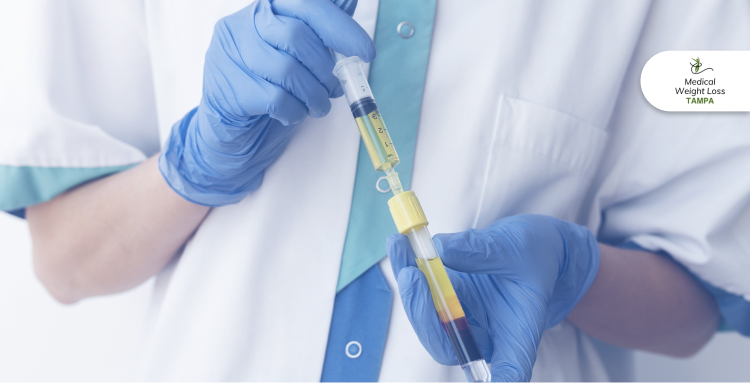
Concentrated platelets: First, a small amount of blood is drawn and spun in a centrifuge. This separates out the platelets, which are packed with growth factors. These are proteins that signal your body to repair and regenerate tissue. This process enhances your body’s natural repair abilities.
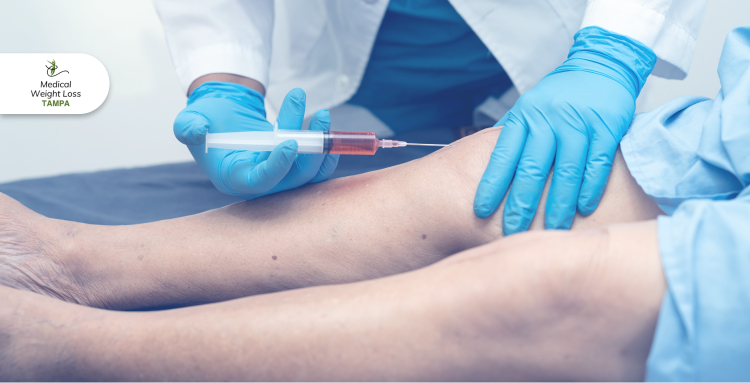
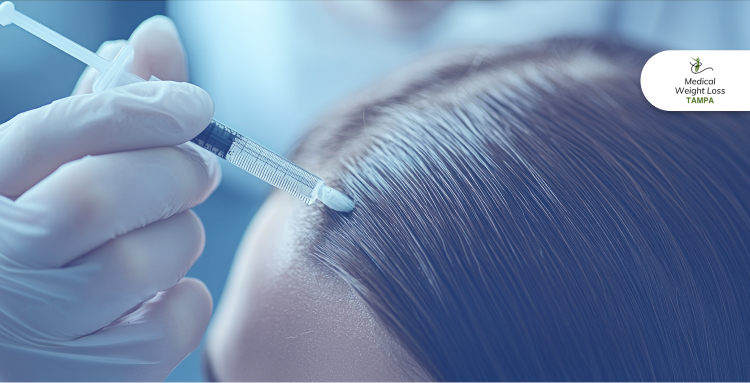
Injection into injured muscle: Once concentrated, the platelets are injected directly into the injured area. This delivers the healing agents where they are needed most. Patients may feel some soreness initially, followed by gradual improvements in strength, flexibility, and comfort over the following weeks.
Athletic origins: PRP first became popular in the U.S. among professional athletes seeking faster recovery from muscle and tendon injuries. Stars across basketball, baseball, and football helped bring attention to this therapy.
Clinic expansion: Today, PRP is available in rehabilitation centers, sports medicine clinics, and medical weight loss practices. It is offered to anyone with a muscle injury aiming to recover more efficiently and safely.
Johns Hopkins Medicine describes PRP as concentrated platelets rich in growth factors that support healing (Johns Hopkins Medicine).
While the concept is simple, effectiveness depends on precise preparation, the skill of the injector, and timing relative to the injury. Many clinics combine PRP with physical therapy to maximize recovery.
2) What Science Actually Says About PRP and Muscle Healing
Research into PRP for muscle injuries is promising, though not conclusive.
Cellular benefits: Lab experiments show that PRP encourages muscle cells to grow, helps form new blood vessels, and reduces inflammation in damaged tissue (PMC, Platelet-Rich Plasma).Think of it as creating the perfect little repair shop inside your muscle, where the raw materials and machinery are ready to rebuild tissue faster.
Human study variability: Not every patient experiences the same results. Differences in how PRP is prepared, injected, and the individual’s health can lead to mixed outcomes. Some people notice moderate improvements, while others regain strength and function more noticeably.
Evidence from reviews: Large reviews of multiple studies show PRP can help some patients recover quicker. However, it isn’t a guaranteed solution. The takeaway is that personalized treatment plans matter, what works for one person might not work for another (PubMed, Platelet-rich plasma for muscle injuries).
Pain and recovery timelines: Meta-analyses suggest PRP can slightly shorten recovery time and reduce pain for acute muscle injuries. Even a modest improvement can be helpful for someone losing weight, as it keeps their fitness routine on track.
Factors influencing results: Age, overall health, severity of the injury, and whether other therapies like physical therapy are included can all affect outcomes. Patients who maintain balanced diets and regular exercise tend to see better recovery results.
The scientific consensus is evolving. PRP is mainly for carefully selected patients, it can accelerate certain aspects of healing while supporting mobility and activity, both important for ongoing weight loss.
3) Can You Heal Muscles While Losing Weight
Weight loss changes the body’s physiology in ways that affect injury recovery.
Calorie intake and healing: Insufficient calories, especially low protein, can slow tissue repair. This is particularly relevant for patients trying to lose weight quickly.
Muscle preservation: Resistance training and adequate protein intake help maintain lean muscle, which is essential for strength, metabolism, and functional recovery.
Research-backed nutrition: Clinical reviews show that protein intake and balanced macronutrients support muscle function even during calorie restriction, enhancing recovery outcomes (PubMed, Platelet-rich plasma for muscle injuries).
Reduced inflammation: Weight loss can decrease systemic inflammation, which may make the muscle environment more receptive to PRP therapy.
Timing matters: Integrating PRP injections with a carefully designed diet and exercise plan is important to avoid overtaxing healing muscles while still promoting fat loss.
PRP alone does not guarantee faster recovery during weight loss. However, when combined with proper nutrition and activity management, it can help maintain momentum and prevent loss of lean muscle mass.
4) Why Tampa Residents Are Trying PRP
Tampa is uniquely positioned for clinics offering integrated recovery and weight management programs.
Active, health-conscious population: Residents frequently engage in sports, running, and gym activities, increasing the likelihood of minor or moderate muscle injuries.
Medical Weight Loss Tampa: Clinics in the area combine PRP therapy with customized nutrition and exercise guidance to address both healing and weight loss goals.
Non-surgical solutions: Many patients prefer therapies that avoid downtime from surgery. PRP offers a minimally invasive option that supports recovery while allowing continued physical activity.
Community impact: Programs designed for Tampa residents encourage adherence to exercise plans and improve long-term weight management success by minimizing complications caused by injuries.
This combination of local demand and advanced recovery options shows how regional clinics can adapt high-level therapies like PRP for practical and genuine results.
5) Risks, Costs, and the Reality Check
PRP therapy is relatively safe but requires informed consideration.
Side effects: Pain, swelling, or mild infection at the injection site may occur. These are usually temporary and resolve within a few days.
Safety confirmation: Johns Hopkins Medicine notes that PRP is generally safe due to its autologous nature (Johns Hopkins Medicine).
Regulatory considerations: The FDA regulates PRP preparation devices. However, the therapy itself is not formally approved for muscle injuries. Patients should consult qualified medical providers to determine suitability (PMC, The Economics and Regulation of PRP).
Financial realities: PRP is often paid out-of-pocket, with insurance coverage rare. Costs vary by clinic and number of sessions required.
Understanding these considerations helps patients weigh the benefits of PRP against potential risks and expenses. Clinics offering integrated care often provide guidance to optimize outcomes while minimizing unnecessary costs.
6) The Bigger Picture of Recovery in Weight Loss Journeys
Recovery and weight loss are interconnected. PRP can enhance one without compromising the other when applied correctly.
Holistic recovery plans: PRP works best when it’s part of a bigger approach. Pairing injections with physical therapy, balanced nutrition, and regular check-ins with your healthcare provider creates a strong framework that keeps muscles healing and prevents complications.
Sustained progress: Injuries can slow weight loss if they limit your activity. Protecting muscle health with PRP ensures you can keep moving, maintain strength, and continue your journey without losing momentum.
PRP as a bridge: Think of PRP as a short-term boost that helps you get back to your routine faster. It supports recovery so you can safely return to strength training and cardio, rather than putting your goals on hold.
Behavioral benefits: Recovery programs that combine PRP with structured nutrition and exercise plans make it easier to stay consistent. By reinforcing healthy habits during the healing process, you’re more likely to stick to your plan and avoid frustration.
This broader perspective emphasizes that PRP is all about a strategic tool within a well-rounded plan.
8) Synergizing PRP Therapy with Complementary Treatments for Optimal Muscle Recovery

Platelet-Rich Plasma (PRP) therapy has emerged as a promising treatment for muscle injuries, using the body’s own healing mechanisms to accelerate recovery. When combined with complementary approaches, its effectiveness can be amplified, supporting faster and more comprehensive healing.
Physical Therapy
PRP starts the healing process at the cellular level, but muscles still need to move to regain strength and flexibility. Physical therapy fills that gap. Targeted exercises help injured muscles regain endurance, coordination, and full range of motion. Studies in The American Journal of Sports Medicine show that combining PRP with structured rehab exercises improved skeletal muscle healing in experimental models (PubMed, Postinjury Exercise and Platelet-Rich Plasma Therapies).
Nutritional Support
Muscle repair needs more than just rest. Protein, vitamins, and minerals act like building blocks for regenerating fibers and supporting collagen synthesis. Adding targeted nutrition to PRP therapy ensures your muscles get what they need to heal efficiently. Protein, vitamin C, vitamin D, zinc, and magnesium are especially important (Orthopedics & Sports Medicine).Think of it as feeding your recovery from the inside out.
Cryotherapy
Cold therapy is more than a trendy ice bath. Applying ice or using whole-body cryotherapy can reduce post-injection soreness and control inflammation, making it easier to get back to exercise. A study in The Journal of Sports Science & Medicine found that cryotherapy effectively reduces muscle soreness and inflammation after activity (PMC, Whole-Body Cryotherapy in Athlets). Early use of cold therapy can make rehab sessions more tolerable without slowing healing.
Massage Therapy
Massage is like giving your muscles a circulation upgrade. Techniques like deep tissue massage and myofascial release increase blood flow, reduce tension, and prevent scar tissue from forming. Research from the National Center for Complementary and Integrative Health shows that massage therapy can reduce pain and improve mobility in musculoskeletal injuries (NCCIH, Massage Therapy).When paired with PRP, massage helps muscles feel and move better faster.
Electrical Stimulation
Sometimes movement is limited due to pain or weakness. Electrical stimulation fills in by sending small impulses that make muscles contract. This keeps them active, promotes circulation, and supports fiber regeneration. Research in the Journal of Rehabilitation Research and Development indicates that electrical stimulation reduces atrophy and speeds functional recovery (PMC, Electrical Stimulation Therapy). It’s like giving your muscles a gentle wake-up call while they’re healing.
(9) Healing and Progress Go Hand in Hand with Medical Weight Loss Tampa
Muscle injuries can jeopardize weight loss goals. Medical Weight Loss Tampa provides an approach that combines healing with ongoing progress.
Integrated programs: PRP therapy is combined with personalized nutrition and exercise plans that align with each patient’s lifestyle.
Maintaining momentum: Structured programs help patients protect muscle health while continuing weight loss, preventing progress from being lost to injury.
Customized guidance: Plans are customized to individual routines and preferences, focusing on sustainable outcomes.
Support network: Patients receive continuous guidance, helping them adapt their routines as recovery progresses, ensuring long-term adherence and success.
Reach out to Medical Weight Loss Tampa to learn how our team can help patients recover, regain strength, and continue toward a healthier, stronger self.
Recent Blogs









Get Pain Relief Today With Tampa Bays Chiropractor
Take the first step toward a healthier, happier you with our personalized, medically guided weight loss programs.